
Kordave Almanac was founded to document — not dictate — how people in urban Britain approach food, movement, and nourishment in the course of ordinary days.
Kordave Almanac was founded in 2025 to fill a specific gap in British food and nutrition writing. Most content in this space tells readers what to do — what to eat, when to eat it, how many servings of which category. The almanac takes a different position: it records what people actually do, and reflects on it carefully.
The publication is based in Shoreditch, East London, and its field observations draw primarily from urban households across the city — though the patterns it documents are recognisable across most British settings. Its writers come from backgrounds in food journalism, nutrition writing, and everyday behaviour research.
Articles are published on a monthly cadence. Each is a standalone piece of long-form editorial writing — not a listicle, not a guide, not a product recommendation. The format is closer to a journal entry than to a magazine feature, which is where the almanac name comes from.

Harriet Marsden is a London-based food journalist and nutrition writer with over eight years of experience documenting everyday eating practices in urban households. Her observational approach draws on extended field research rather than expert interviews, tracing how food habits form and persist in ordinary domestic settings. She serves as the primary contributing editor of Kordave Almanac.

Tobias Coverdale is a writer and researcher based in Edinburgh whose work focuses on domestic practices and everyday behaviour in British urban households. He brings a sociological perspective to food writing, examining the structural conditions — time, cost, habit, environment — that shape what and how people eat. His contribution to Volume I of Kordave Almanac marks his first collaboration with the publication.
The relationship between what people eat and how they feel is the almanac's central subject — approached not through nutritional science but through observational fieldwork in ordinary domestic contexts. What do the eating patterns of people in urban Britain actually look like, across a week, across a season?
Seasonal cooking and whole food ingredients recur throughout the almanac's entries because they recur in the habits of the most consistent home cooks documented. The publication does not advocate for these approaches — it notes that they appear, persistently, in the routines of people who describe their eating as considered.
Sport, fitness, and the everyday physicality of an active life sit alongside nutrition in the almanac's record because they sit alongside nutrition in the lives of its subjects. The publication is interested in how these domains interact in practice — not how they are theorised to interact in research papers.
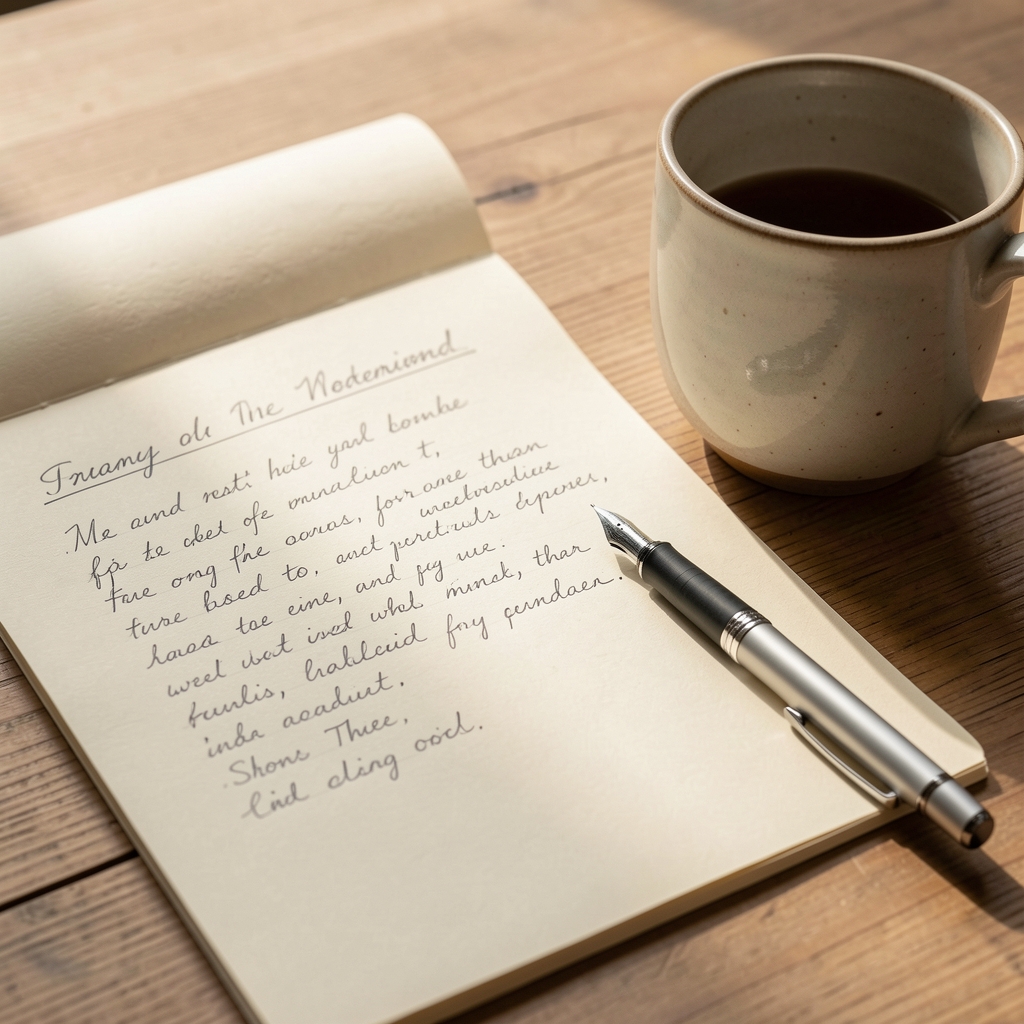
Writers spend extended time observing the food practices of households, markets, and everyday routines. Notes are taken without intervention — the aim is to document what happens, not to guide or alter it.
The draft is written at some remove from the observation period — allowing time for patterns to consolidate and for initial assumptions to be tested against the full record of notes.
Each draft is reviewed by a second editor before publication. The review focuses on three things: factual accuracy, stop-word compliance (the almanac maintains a list of overclaimed vocabulary), and register consistency.
Entries are published with full author attribution, a publication date, and a reading-time estimate. Where corrections are needed after publication, they are noted publicly within the article.
Articles published on Kordave Almanac are editorial in nature and reflect the writers' observations on everyday wellness practices. The content is not intended as professional advice, nor as guidance for the management of any specific concern. Readers with specific questions about their daily routines are encouraged to speak with a qualified wellness professional.
Kordave Almanac is an independent editorial publication. Articles reflect the considered observations of contributing writers and editors. The publication is not affiliated with any organisation providing wellness, nutritional, or governmental services.
Articles in Kordave Almanac reference published research from peer-reviewed journals and reputable institutional sources. Editorial selection prioritises long-running studies and replicated findings. Where specific research is referenced, it is described in context rather than cited by title, in keeping with the almanac's documentary register.
Kordave Almanac welcomes correspondence from readers, correction requests, and enquiries from writers interested in contributing. Reach the editorial team by post or email during office hours.